Your feet absorb pressure with every step you take. Whether you are walking, exercising, working on your feet, or simply standing on a hard surface, the natural padding beneath your feet helps cushion the bones and protect the surrounding structures.
When this protective padding becomes thin, standing and walking can become uncomfortable. You may feel as though you are walking directly on your bones, especially beneath the ball of your foot or heel. This loss of cushioning, known as fat pad atrophy, can contribute to persistent foot pain, painful calluses, and pressure-related skin problems.
At Active Life Foot & Ankle of Texas in Southlake, I offer fat pad restoration using Leneva® and Liposana® for appropriate patients. These injectable treatments are intended to supplement cushioning beneath the foot and help reduce discomfort associated with fat pad loss.
What Is Fat Pad Atrophy?
The bottom of your foot contains a specialized layer of fatty tissue that helps absorb impact and protect the structures beneath your skin. This natural padding is particularly important beneath the heel and the metatarsal heads, which are the rounded ends of the bones at the ball of your foot.
Over time, aging, injury, certain medical conditions, or changes in foot structure can cause this protective tissue to become thinner or shift away from areas where it is needed.
When there is less cushioning between the skin and the underlying bones, pressure becomes concentrated over a smaller area. Everyday activities can become uncomfortable, particularly when standing for extended periods or walking on hard surfaces.
Common signs associated with fat pad loss include:
- Tenderness beneath prominent bones in the foot
- Pain beneath the heel or ball of the foot
- Discomfort when standing or walking on hard floors
- Increased discomfort when walking barefoot
- Painful calluses that repeatedly return
- Pressure points that may contribute to skin breakdown
Not all foot pain is caused by fat pad atrophy. A professional examination can help determine whether a loss of natural cushioning or another foot condition is contributing to your symptoms.
What Is Fat Pad Restoration?
Fat pad restoration is an injectable treatment that places a tissue graft beneath the skin in areas where the foot’s natural cushioning is deficient.
The goal is to supplement the soft tissue between the skin and underlying bones, helping improve cushioning around prominent pressure points.
Two options available for appropriate patients are Leneva® and Liposana®. Both are derived from donated human adipose tissue, commonly called fat, but they are prepared differently and provide different forms of tissue support.
What Is Leneva®?
Leneva® is an allograft adipose matrix that preserves a framework from donated fatty tissue. This framework supports the patient’s cells as the treated area remodels.
It is used to supplement damaged or inadequate fatty tissue and support tissue reconstruction.
What Is Liposana®?
Liposana® is a processed human adipose tissue allograft that retains structural characteristics of fatty tissue. It is placed into areas of fat deficiency to provide cushioning and support tissue repair.
Because Liposana® uses donor tissue, treatment avoids the additional step of harvesting fat from another area of your body.
Although both treatments are intended to address areas of inadequate cushioning, they are prepared differently. The appropriate product and treatment approach depend on the location and extent of your fat pad loss.
How Can Fat Pad Restoration Help With Foot Pain?
When the natural padding beneath your foot becomes thinner, the bones and surrounding tissues may experience greater pressure during everyday activities.
Fat pad restoration aims to supplement that missing cushioning. For appropriate patients, this may help address several concerns.
Reduce Discomfort Around Prominent Bones
The heel and ball of the foot experience repeated pressure when you stand and walk. When the protective fat pad becomes thinner, these areas may become increasingly tender.
Fat pad restoration aims to improve cushioning beneath these pressure points and help make standing and walking more comfortable.
Address Painful, Recurring Calluses
Calluses develop when the skin responds to repeated friction or pressure. When a callus forms over a prominent bone or an area with inadequate cushioning, it can become painful.
Trimming a callus may provide temporary relief, but it can return if the underlying pressure remains.
By supplementing cushioning beneath the affected area, fat pad restoration may help reduce discomfort and callus formation in selected patients.
An early clinical study of allograft adipose matrix reported improved patient comfort, reduced callus presence, and a return to daily activities. The study was small, however, and individual results vary.
Consider Cushioning for Areas at Risk of Recurrent Wounds
Inadequate foot padding can also contribute to skin breakdown over pressure points. This may be particularly important for people with reduced sensation from diabetic neuropathy, who may not notice excessive pressure or early skin damage.
For selected patients with a history of repeated wounds in the same location, fat pad restoration may be considered as part of a plan to improve cushioning and reduce pressure on vulnerable skin.
Research into this approach is limited, and its ability to prevent recurrent wounds has not been firmly established. Protective footwear, pressure relief, regular skin checks, and appropriate wound care remain essential.
An active wound, infection, or circulation problem requires a separate evaluation and treatment plan.
What Happens During Fat Pad Restoration?
Fat pad restoration can be performed in an office setting using local anesthesia.
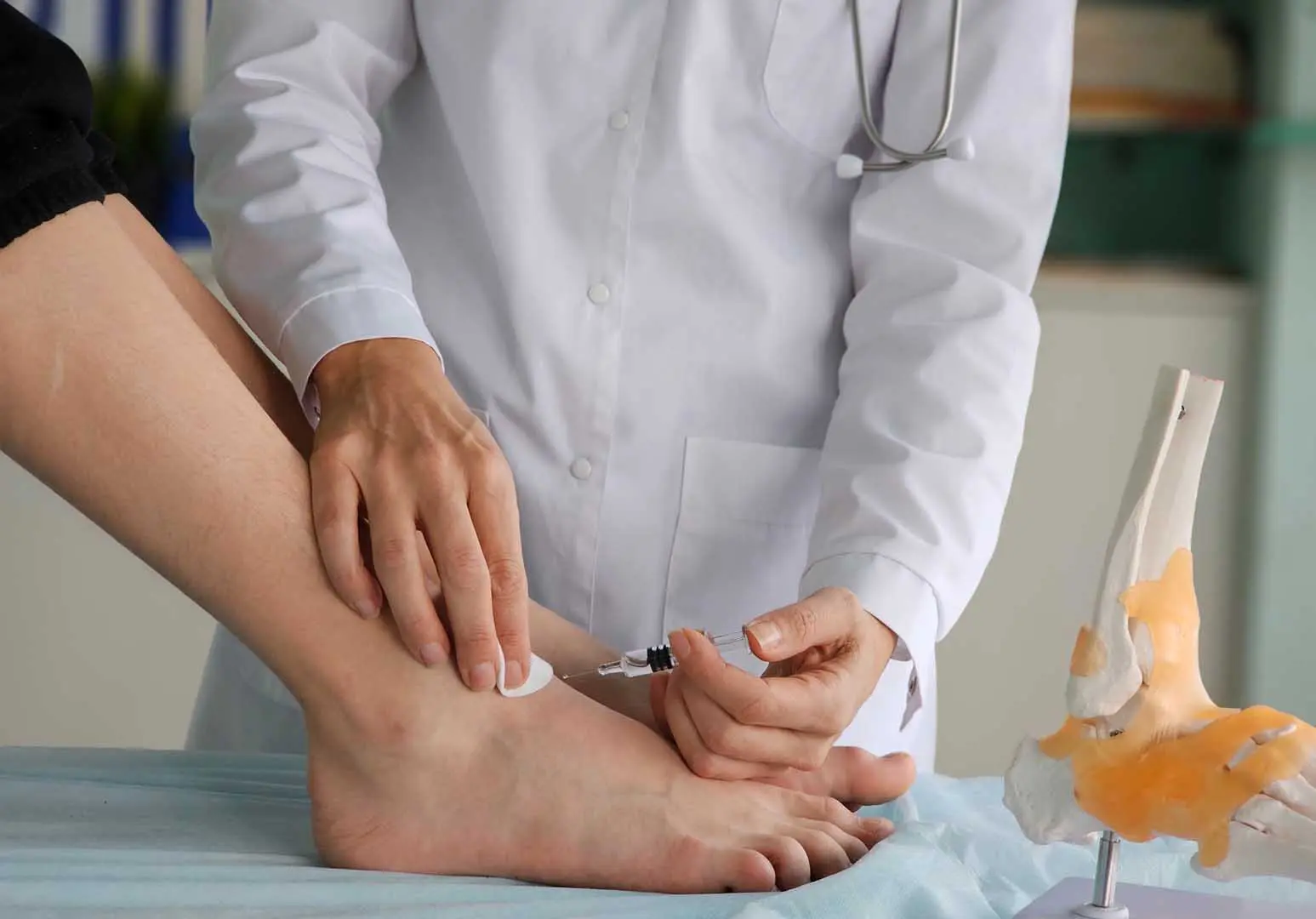
After the treatment area is cleaned and numbed, the tissue graft is carefully placed beneath the skin through a small entry point using a needle or cannula. A dressing is then applied to protect the treated area.
The location and amount of tissue placed depend on the areas of padding loss and your individual treatment plan.
Before proceeding, I will review the expected benefits, alternatives, and potential risks with you. These may include soreness, swelling, bruising, infection, and a reaction to the graft. Donor screening and tissue processing reduce, but do not eliminate, risks associated with donated tissue.
What Is Recovery Like After Fat Pad Restoration?
Protecting the treated area during recovery is an important part of aftercare. Your instructions may include:
- Wearing cushioned footwear
- Using special padding to protect the treated area
- Reducing standing and walking
- Temporarily limiting exercise
- Avoiding excessive pressure on the treated area
Recovery instructions are individualized based on the treatment location and your needs.
Follow-up visits allow me to assess your comfort, skin condition, and readiness to gradually increase activity. Supportive shoes and custom orthotics may remain part of your ongoing care.
Is Fat Pad Restoration Right for You?
Leneva® or Liposana® fat pad restoration may be worth discussing if you experience:
- Persistent discomfort beneath the ball of your foot or heel
- Thinning natural padding beneath the foot
- Pain around prominent bones
- Painful calluses that repeatedly return
- Pressure-related skin problems or a history of recurrent wounds
The first step is determining what is causing your symptoms. Foot pain can have several underlying causes, and fat pad restoration is not appropriate for every patient.
An examination helps identify whether fat pad loss is contributing to your discomfort and whether an injectable restoration treatment may be appropriate for your condition.
Setting Realistic Expectations
The goal of fat pad restoration is to improve cushioning beneath the foot and help make everyday activities more comfortable.
The degree of improvement and duration of benefit vary from patient to patient, and some individuals may need additional treatment. Supportive footwear, orthotics, pressure relief, and other recommended measures may remain important parts of ongoing care.
My approach is to evaluate the underlying problem, discuss appropriate treatment options, and develop a plan based on your symptoms, foot structure, activity level, and goals.
Fat Pad Restoration in Southlake, Keller & Surrounding Communities
At Active Life Foot & Ankle of Texas, I work with patients in Southlake, Keller, Grapevine, and surrounding communities to evaluate foot and ankle pain and identify appropriate treatment options.
If thinning foot padding, painful pressure points, or recurring calluses are making it difficult to stay comfortable on your feet, an evaluation can help clarify the cause and determine your next steps.
Leneva® and Liposana® fat pad restoration may offer an option for appropriate patients looking to supplement natural cushioning beneath the foot.
Take the Next Step Toward More Comfortable Feet
You do not have to ignore recurring foot discomfort or assume that painful pressure points are simply part of getting older.
Schedule an evaluation at Active Life Foot & Ankle of Texas to discuss your symptoms and learn whether fat pad restoration or another personalized treatment approach may be appropriate for you.
Where your active life begins again.