
Foot Surgery
Forefoot & Rearfoot Reconstruction
Advanced Foot Reconstruction Surgery in Southlake, TX
When foot pain, deformity, or instability becomes complex, you need more than a quick fix.
At Active Life Foot & Ankle of Texas, we specialize in forefoot and rearfoot reconstruction—advanced surgical procedures designed to restore alignment, function, and long-term stability so you can move with confidence again.
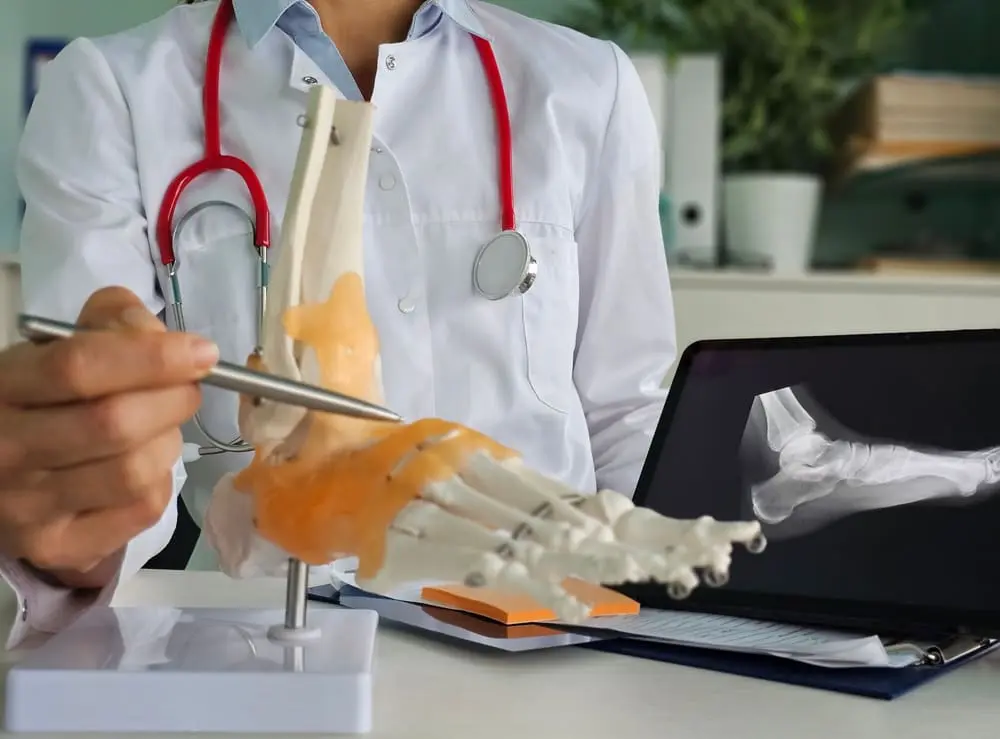

What Is Forefoot & Rearfoot Reconstruction?
Foot reconstruction refers to the surgical correction of structural deformities, joint instability, or damage affecting the front (forefoot) or back (rearfoot) of the foot.
These procedures go beyond basic treatments by:
- Realigning bones and joints
- Repairing or reconstructing soft tissues
- Restoring proper biomechanics
- Improving function and reducing long-term pain
Reconstruction is often recommended when conservative treatments are no longer effective.
What Conditions May Require Foot Reconstruction?
Reconstructive surgery may be recommended for:
Forefoot Conditions
- Severe bunions or recurrent bunions
- Hammertoes or crossover toes
- Metatarsal instability or deformity
- Arthritis in the front of the foot
Rearfoot Conditions
- Flatfoot deformity (adult-acquired flatfoot)
- Tendon dysfunction (such as posterior tibial tendon issues)
- Heel deformities or instability
- Arthritis in the ankle or hindfoot
- Chronic ligament injuries
If your condition is affecting your ability to walk, stay active, or wear normal shoes, reconstruction may be the next step.
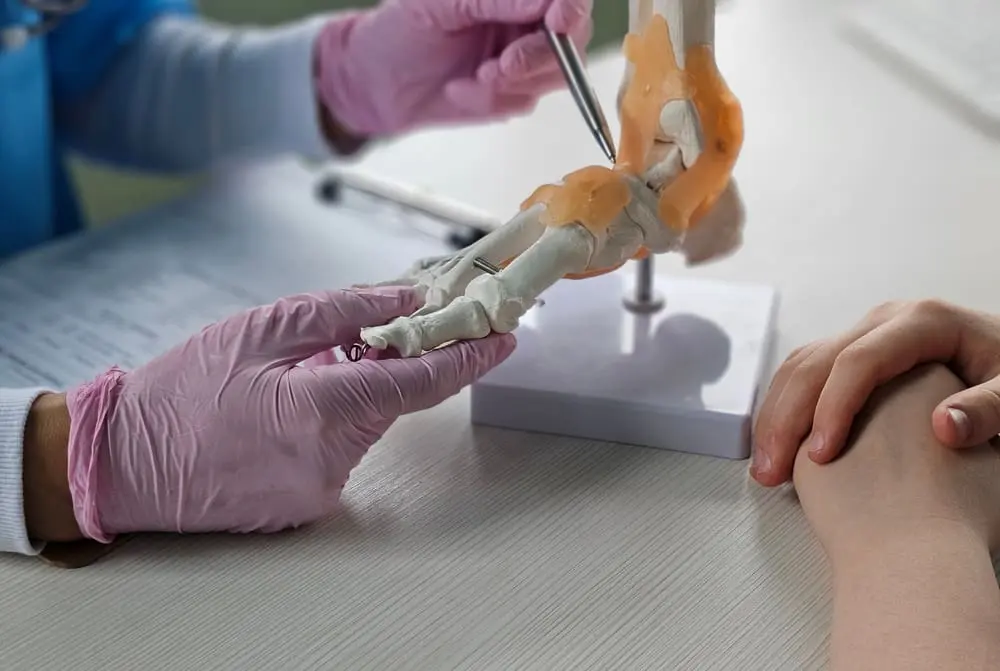

When Is Surgery the Right Option?
Surgery is typically considered when:
- Pain persists despite conservative care
- The deformity is progressing
- Mobility or stability is significantly limited
- Daily activities or exercise are affected
Our goal is always to exhaust non-surgical options first, then recommend surgery only when it provides the best long-term outcome.
What to Expect During Your Consultation
Your evaluation at ALFA is thorough and personalized.
We’ll assess:
- Your symptoms and activity level
- Foot structure and biomechanics
- Weight-bearing X-rays or advanced imaging
- Previous treatments or surgeries
From there, we’ll walk you through:
- All treatment options
- Whether reconstruction is necessary
- What your recovery would look like
We believe in education, transparency, and shared decision-making.
Types of Reconstruction Procedures
Every reconstruction is customized, but may include:
- Bone realignment (osteotomy)
- Joint fusion (arthrodesis) for stability and pain relief
- Tendon repair or transfer
- Ligament reconstruction
- Implants or fixation devices for long-term support
Often, multiple techniques are combined to fully correct the problem.
Recovery After Foot Reconstruction Surgery
Recovery depends on the complexity of the procedure, but typically includes:
- Initial non-weight-bearing or protected weight-bearing
- Use of a boot, cast, or brace
- Gradual return to walking and activity
- Physical therapy to restore strength and mobility
Full recovery can take several months, but the goal is lasting improvement—not temporary relief.

Why Choose Active Life Foot & Ankle of Texas?
Complex foot problems require experience and precision.
Dr. Paul Steinke is a double board-certified foot and ankle surgeon with advanced training in:
- Foot and ankle reconstruction
- Biomechanics and alignment
- Complex and revision cases
Patients choose ALFA because we:
- Take a comprehensive, individualized approach
- Focus on long-term function and mobility
- Treat both common and complex conditions
- Prioritize clear communication and realistic expectations
Frequently Asked Questions
What is the difference between forefoot and rearfoot reconstruction?
Forefoot reconstruction addresses the front of the foot (toes and ball of the foot), while rearfoot reconstruction focuses on the heel, arch, and ankle region.
How long does foot reconstruction surgery take?
Surgery length varies depending on complexity but typically ranges from 1–3 hours.
Will I be able to walk after surgery?
Most patients will have limited or protected weight-bearing initially, followed by gradual return to walking.
Is foot reconstruction covered by insurance?
Most reconstructive procedures are covered when medically necessary, but coverage depends on your specific plan.