
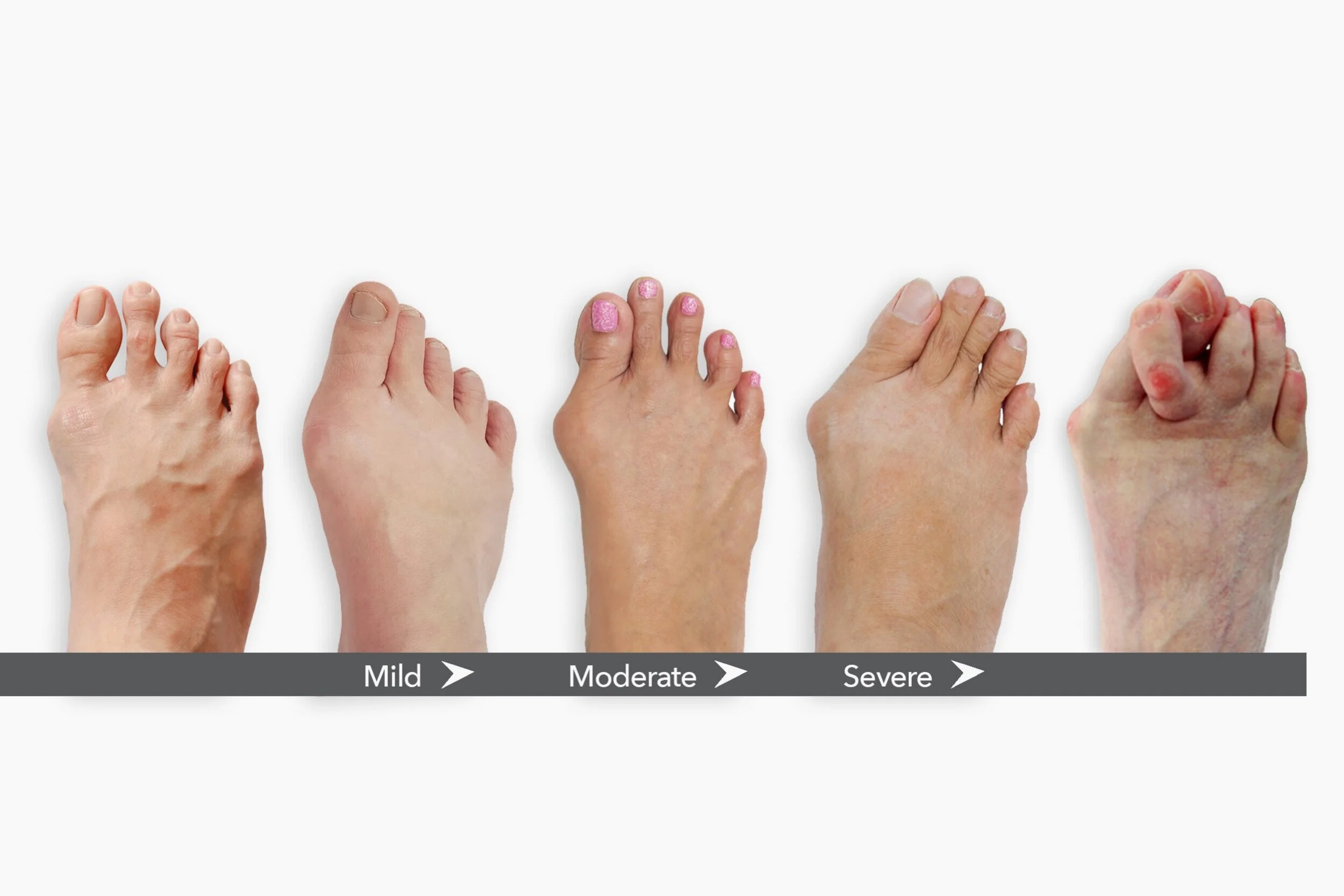
Bunions are one of the most common foot conditions I see in my practice—but they’re also one of the most misunderstood.
Many people believe a bunion is just a “bump” that needs to be shaved down. In reality, it’s much more complex than that. A bunion is a structural problem involving the alignment and stability of your foot—and treating it properly means addressing the root cause, not just the symptom.
That’s where modern approaches like Lapiplasty® 3D Bunion Correction are changing the conversation.
What Is a Bunion, Really?
A bunion (hallux valgus) develops when the bone at the base of your big toe shifts out of alignment, causing the toe to lean inward and a bump to form on the side of the foot.
This leads to:
- Pain and inflammation
- Difficulty wearing certain shoes
- Progressive deformity over time
- Reduced function and mobility
While conservative treatments like orthotics or shoe modifications can help manage symptoms, they do not correct the underlying deformity.
Why Traditional Bunion Surgery Isn’t Always Enough
Historically, many bunion procedures focused on:
- Shaving down the bump
- Cutting and shifting the bone in two dimensions
While these techniques can provide relief, they may not fully correct the instability at the root of the problem. In some cases, that’s why bunions can come back.
As we’ve learned more about bunion mechanics, it’s become clear:
A bunion is not just a surface issue—it’s a three-dimensional deformity involving joint instability.
What Makes Lapiplasty® Different
Lapiplasty® is an advanced approach to bunion correction that focuses on fixing the problem at its source.
Instead of simply removing the bump, this procedure:
- Realigns the bone in all three dimensions
- Corrects the unstable joint at the base of the foot
- Secures the correction with specialized fixation (plates and screws)
By restoring proper alignment and stabilizing the foundation, Lapiplasty® is designed to provide a more durable, long-term correction.
Minimally Invasive vs. Lapiplasty®: What’s the Difference?
Patients often hear about “minimally invasive bunion surgery,” and while that can be a great option, it’s important to understand how it compares.
Minimally Invasive Bunion Surgery
- Uses small incisions and specialized tools
- Less soft tissue disruption
- Often leads to less pain and faster recovery
- Focuses on realigning the bone with minimal trauma
Lapiplasty® 3D Correction
- Addresses the root cause (joint instability)
- Corrects deformity in three dimensions
- Provides strong fixation for long-term stability
- Designed to reduce recurrence rates
👉 The key difference:
- Minimally invasive techniques prioritize smaller incisions
- Lapiplasty prioritizes correcting the deformity at its foundation
In many cases, the best approach depends on:
- Severity of the bunion
- Joint stability
- Patient goals and lifestyle
Benefits of Lapiplasty® Bunion Correction
For the right patient, Lapiplasty offers several advantages:
1. Treats the Root Cause
Instead of focusing on the bump, it corrects the unstable joint that created the deformity in the first place.
2. 3D Alignment
The bone is repositioned in all directions—not just side-to-side—resulting in a more natural foot structure.
3. Lower Risk of Recurrence
Because the underlying instability is addressed, the likelihood of the bunion returning is reduced compared to traditional approaches.
4. Early Weight Bearing
Many patients are able to walk in a boot relatively soon after surgery, often within days to weeks depending on the case.
5. Improved Function
The goal isn’t just cosmetic—it’s to restore:
- Proper biomechanics
- Stability
- Long-term comfort
Recovery: What Patients Can Expect
Recovery varies depending on the individual, but generally:
- Early protected weight-bearing in a boot
- Gradual return to regular footwear over several weeks
- Continued improvement over a few months
Many patients are surprised to learn that recovery is often more manageable than they expected, especially compared to older surgical techniques.
Is Lapiplasty® Right for You?
Not every bunion requires surgery—and not every bunion requires the same type of surgery.
The right treatment depends on:
- Severity of the deformity
- Joint stability
- Activity level and goals
- Overall health and healing capacity
In my practice, the focus is always the same:
Choose the treatment that best addresses the underlying problem—not just the visible symptom.
The Bottom Line
Bunion correction has evolved significantly.
Today, we’re no longer limited to simply shaving down a bump—we can correct the deformity at its source, restore proper alignment, and improve long-term outcomes.
Lapiplasty® represents a shift toward:
- More precise correction
- Better stability
- More predictable results
If you’re dealing with bunion pain or noticing progression, the most important step is getting a proper evaluation and understanding your options.
Schedule a Consultation
If you’re experiencing bunion pain or want to explore your treatment options, schedule a consultation at Active Life Foot & Ankle.
We’ll evaluate your condition, discuss your goals, and create a treatment plan tailored specifically to you.