
Advanced Surgical Procedures
Advanced Minimally Invasive Foot & Ankle Procedures
Modern Surgical Solutions with Smaller Incisions & Faster Recovery
At Active Life Foot and Ankle, Dr. Paul Steinke offers advanced minimally invasive and arthroscopic foot and ankle procedures designed to reduce tissue disruption, minimize scarring, and support faster recovery whenever possible.
Using modern surgical techniques, specialized instrumentation, and advanced imaging technology, many foot and ankle conditions can now be treated through smaller incisions and more precise procedures compared to traditional open surgery.
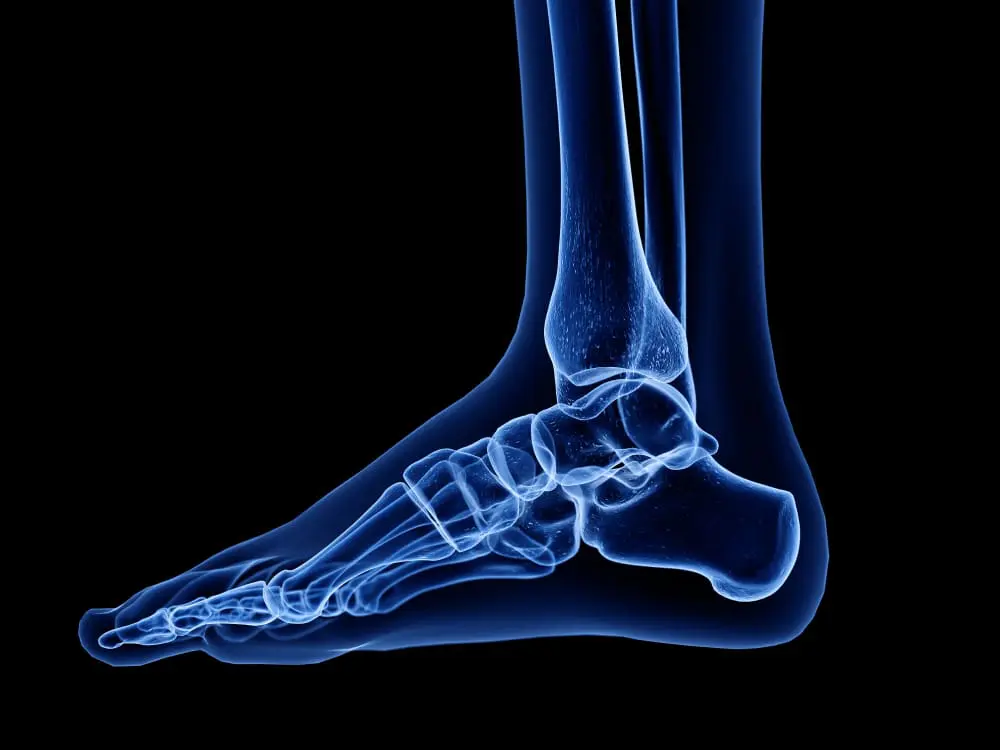
What Are Minimally Invasive Foot & Ankle Procedures?
Minimally invasive surgery (MIS) uses smaller incisions and specialized surgical techniques to help reduce:
- Soft tissue trauma
- Post-operative pain
- Swelling
- Recovery time
- Scarring
Depending on the condition being treated, minimally invasive procedures may allow patients to:
- Return to activity sooner
- Reduce downtime
- Improve mobility
- Experience less post-operative discomfort
Not every patient or condition is appropriate for minimally invasive surgery. Dr. Steinke carefully evaluates each patient individually to determine the safest and most effective treatment approach.
Procedures Offered
Akin Osteotomy for Hallux Deformities
An Akin osteotomy is commonly performed to improve alignment of the big toe, often in conjunction with bunion correction procedures.
This minimally invasive technique may help:
- Improve toe positioning
- Reduce deformity
- Improve overall foot mechanics
Ankle Arthroscopy
Ankle arthroscopy is a minimally invasive procedure that uses a small camera to evaluate and treat problems inside the ankle joint.
This may be recommended for:
- Cartilage injuries
- Ankle impingement
- Chronic inflammation
- Loose bodies
- Persistent ankle pain
Arthroscopy allows for smaller incisions and precise treatment within the joint.
Endoscopic Gastrocnemius Recession (EGR)
Tight calf muscles can place excessive strain on the:
- Plantar fascia
- Achilles tendon
- Foot and ankle structures
Endoscopic Gastrocnemius Recession (EGR) helps improve ankle flexibility and reduce chronic tension contributing to pain and deformity.
This procedure is commonly considered for:
- Chronic plantar fasciitis
- Achilles issues
- Equinus deformity
- Tight calf musculature
Endoscopic Plantar Fasciotomy (EPF)
Endoscopic Plantar Fasciotomy is a minimally invasive procedure used to treat chronic plantar fasciitis that has not improved with conservative care.
Using a small camera and specialized instruments, the plantar fascia can be partially released through very small incisions.
This procedure may help relieve:
- Chronic heel pain
- Tight plantar fascia
- Persistent inflammation
Exostectomy / Bone Spur Removal
Bone spurs and prominent bony areas can create:
- Pain
- Pressure
- Shoe irritation
- Joint discomfort
Minimally invasive exostectomy procedures may help remove painful bone prominences while reducing tissue trauma and recovery time.
Hammertoe Procedures
Hammertoes can lead to:
- Painful pressure points
- Corns and calluses
- Toe deformity
- Difficulty wearing shoes
Minimally invasive hammertoe procedures may help improve alignment and reduce discomfort using smaller incisions and modern fixation techniques.
In-Office Cryoablation for Neuromas
Cryoablation is a minimally invasive in-office procedure used to treat painful neuromas by applying controlled cold therapy to irritated nerves.
This procedure may help patients experiencing:
- Burning pain
- Tingling
- Numbness
- Pain between the toes
- Morton’s neuroma symptoms
Cryoablation may provide relief without requiring traditional open surgery.
Minimally Invasive Lapiplasty®
Lapiplasty® is an advanced bunion correction procedure designed to address the root cause of bunions by correcting the unstable joint in three dimensions.
Minimally invasive techniques may allow for:
- Smaller incisions
- Improved alignment
- Earlier mobility
- Reduced soft tissue disruption
Lapiplasty® may help patients suffering from:
- Painful bunions
- Progressive deformity
- Joint instability
- Difficulty wearing shoes comfortably
Nanoplasty™ by Treace Medical
Nanoplasty™ is an advanced minimally invasive bunion correction procedure designed to address bunion deformities through smaller incisions using specialized instrumentation and fixation techniques.
This innovative procedure may help:
- Correct bunion deformity
- Improve alignment
- Reduce tissue disruption
- Support faster recovery
Dr. Steinke continues to evaluate and incorporate advanced technologies that may improve outcomes and patient recovery experiences.
Tailor’s Bunion Procedures
Tailor’s bunions (bunionettes) occur along the outside of the foot near the fifth toe and may cause:
- Pain
- Shoe irritation
- Swelling
- Difficulty with activity
Minimally invasive correction techniques may reduce recovery time and improve comfort compared to traditional open procedures.
Benefits of Minimally Invasive Procedures
Potential benefits may include:
- Smaller incisions
- Reduced scarring
- Less soft tissue disruption
- Faster recovery timelines
- Reduced swelling
- Earlier return to activity
- Improved patient comfort
Treatment recommendations always depend on diagnosis, severity, activity level, overall health and long-term goals.

Frequently Asked Questions
Are minimally invasive procedures safer?
Minimally invasive procedures may reduce tissue trauma and recovery time, but every procedure carries risks. Dr. Steinke carefully evaluates whether a patient is a good candidate.
Will I recover faster with minimally invasive surgery?
Many patients experience faster recovery and less post-operative discomfort, though recovery timelines vary depending on the procedure and individual healing.
Can bunions be treated minimally invasively?
Yes. Certain bunion procedures, including minimally invasive Lapiplasty® and Nanoplasty™, may allow for smaller incisions and modern correction techniques.
Is cryoablation performed in-office?
Yes. Cryoablation for neuromas is typically performed in-office and may provide relief without traditional open surgery.
Related Articles

Explore Modern Treatment Options
Modern foot and ankle care continues to evolve. Dr. Steinke offers advanced minimally invasive treatment options designed to help patients recover faster, stay active, and improve long-term foot and ankle function.